
Are you curious about Pilates machines and how they can transform your fitness routine? Whether you’re a complete beginner or someone looking to refresh your workouts, understanding these machines is key to maximizing your Pilates experience. In this article, we’ll delve into the intricacies of Pilates machines, helping you feel confident as you embark on your journey to a stronger, more flexible body.
Understanding Pilates Machines
Pilates machines, often referred to as apparatus, come in various designs, each serving a unique purpose. The most common types of Pilates machines include the reformer, Cadillac, and chair. Each machine offers a different way to engage with the Pilates method, promoting strength, flexibility, and balance. The diversity of these machines allows practitioners to tailor their workouts to their individual needs, making Pilates accessible to a wide range of fitness levels and goals.
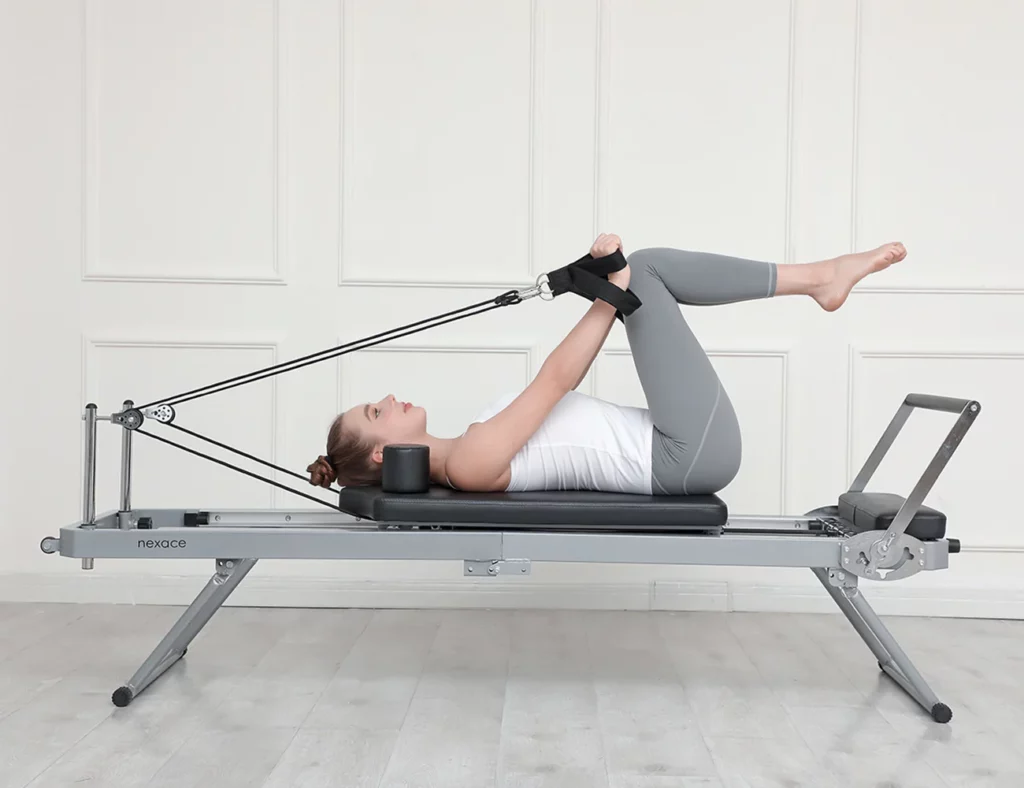
The reformer is perhaps the most recognized piece of Pilates equipment. It has a sliding carriage, ropes, and springs, allowing for a wide range of exercises. Newcomers often find the reformer especially beneficial because it provides support and resistance, making it easier to learn movements and build a strong foundation. The reformer’s design encourages proper alignment and controlled movements, which are essential for maximizing the benefits of Pilates. As you progress, the reformer can challenge you with more complex exercises that engage multiple muscle groups simultaneously.
Another popular apparatus is the Cadillac, designed for more advanced movements. It features a raised platform with a canopy of springs and bars, giving users more options for challenging exercises. While it might seem intimidating at first glance, the Cadillac is versatile and can be adapted for all skill levels with the right guidance. This machine allows for creative and dynamic movements, such as hanging exercises that enhance grip strength and core stability. The Cadillac’s unique structure also enables practitioners to work on their flexibility and coordination in ways that are not possible on the mat.
Then there’s the Pilates chair, which is compact but incredibly powerful. It utilizes springs for resistance just like the reformer but in a stationary format. Many beginners appreciate the chair because it encourages stability and core engagement through seated or standing movements. The chair is particularly effective for targeting the lower body, as it allows for a variety of leg and footwork exercises that build strength in the hips and legs. Additionally, its small footprint makes it an excellent option for home workouts or studios with limited space.
The Benefits of Using Pilates Machines
One of the most notable benefits of using Pilates machines is the support they offer. This support can be incredibly valuable for beginners who may struggle with form or lack the strength to perform certain exercises on the mat. With the assistance of the machines, you can gradually build your strength while focusing on proper alignment. This emphasis on alignment not only enhances the effectiveness of your workout but also helps prevent injuries, making Pilates a safe choice for individuals of all ages.
Additionally, Pilates machines allow for a greater range of movements compared to mat exercises alone. They enable you to isolate specific muscle groups, which can help enhance your overall strength and flexibility. This targeted training is particularly beneficial for athletes or those recovering from an injury. By focusing on specific areas, practitioners can address muscle imbalances and improve overall body mechanics, leading to better performance in other physical activities.
Another wonderful aspect of Pilates machines is the adaptability they offer. Whether you’re dealing with a limitation or are aiming to level up your fitness, these machines can be adjusted to meet your individual needs. You can increase resistance as you progress, ensuring that your practice remains challenging and effective. This adaptability also extends to the types of exercises you can perform; from gentle rehabilitation movements to high-intensity workouts, Pilates machines cater to a broad spectrum of fitness aspirations.
Getting Started with Pilates Machines
If you’re new to Pilates machines, it’s advisable to start with a qualified instructor. They can provide insights on the various machines, teach you how to use them safely, and help you achieve your fitness goals. Many studios offer introductory classes specifically designed for beginners, which can be a great way to dip your toes in the water. These classes often introduce you to the fundamentals of Pilates, ensuring you understand the principles behind the movements and how to engage your core effectively.
Once you find a suitable class or instructor, you’ll likely spend some time learning the fundamentals. This might include familiarizing yourself with different machines and understanding their specific benefits. Even simple exercises can be incredibly rewarding when done with the right equipment! As you become more comfortable, you may discover new exercises that challenge you in unexpected ways, enhancing your overall fitness journey. The supportive environment of a class can also foster a sense of community, encouraging you to stay motivated and committed to your practice.
Don’t be discouraged if you find certain movements challenging at first. Like any new skill, it will take practice and patience. Embrace the learning process, and remember that EVERYONE was a beginner at some point! Celebrate small victories along the way, whether it’s mastering a new exercise or simply feeling more confident on the machine. With dedication and the right guidance, you’ll soon find yourself progressing and enjoying the many benefits that Pilates machines have to offer. Click here to get about: The best Pilates equipment for at-home workouts
Safety Tips for Using Pilates Machines
While Pilates machines can be immensely beneficial, it’s important to prioritize safety. Here are a few tips to keep in mind as you navigate your Pilates journey:
Listen to Your Body
First and foremost, always listen to your body. If something doesn’t feel right, don’t hesitate to communicate with your instructor or adjust the machine as necessary. It’s crucial to pay attention to discomfort versus challenge—while you should be pushing yourself out of your comfort zone, you shouldn’t be in pain. Remember that each individual’s body is unique, and what feels challenging for one person may be painful for another. Taking the time to understand your limits will not only enhance your practice but also foster a deeper connection with your body.
Learn Proper Technique
Executing movements correctly is essential to avoid injuries and maximize benefits. Your instructor will provide guidance on proper technique, but be proactive in asking questions if something is unclear. Practicing good form paves the way for more enjoyable and effective workouts. Additionally, consider recording your sessions or using mirrors to observe your alignment and posture. This self-awareness can significantly improve your technique and help you make necessary adjustments in real-time, ensuring that you are getting the most out of each session.
Start Slowly
As tempting as it may be to jump right into challenging classes or advanced moves, starting slowly is the best strategy. Build your foundation with beginner classes before progressing to intermediate or advanced levels. This approach will nurture your skills and help prevent injuries. Moreover, don’t underestimate the importance of mastering the basics; foundational exercises are the building blocks for more complex movements. As you grow more comfortable and confident, you’ll find that your body is better prepared to tackle new challenges, leading to a more rewarding Pilates experience.
Stay Hydrated
Another vital aspect of safety in Pilates is staying hydrated. Proper hydration supports muscle function and helps prevent fatigue, which can lead to improper form and potential injuries. Make it a habit to drink water before, during, and after your workout. If you’re attending a longer session or class, consider bringing a water bottle with you to ensure you have easy access to hydration. Additionally, being mindful of your nutrition can complement your hydration efforts, as a balanced diet fuels your body for optimal performance.

Warm Up and Cool Down
Incorporating a proper warm-up and cool-down routine is essential for any workout, including Pilates. Warming up prepares your muscles and joints for the movements ahead, reducing the risk of strains and injuries. Simple dynamic stretches or gentle movements on the reformer can effectively increase blood flow and flexibility. Similarly, cooling down allows your body to gradually transition back to a resting state, helping to alleviate soreness and promote recovery. Take a few moments at the end of each session to stretch and reflect on your practice, reinforcing the mind-body connection that is central to Pilates.
Conclusion
Investing time in your Pilates practice is a wonderful way to build strength and balance. By starting with the right knowledge about Pilates machines, you’ll set yourself up for a successful experience. Remember to be patient with yourself, embrace the journey, and lean on your instructor when needed.
In no time, you’ll discover that Pilates machines can be powerful allies in your fitness journey, helping you achieve your goals in a safe and supportive environment. So, are you ready to dive into the world of Pilates? Your body will thank you for it!